
Do your ears ring more often now, especially when the house is quiet?
The sound is called tinnitus. Although hearing loss associated with aging can play a part, loud-noise exposure or another treatable issue may be involved.
Here is what can cause that ringing, why it may seem louder at night, and when you should talk with a medical professional.
What Is Tinnitus?
The National Institute on Deafness and Other Communication Disorders (NIDCD) defines tinnitus as the perception of sound without an external source. Ringing is the most familiar description, but tinnitus can also sound like buzzing, humming, hissing, clicking, or roaring.
The sound can be soft or loud, steady or occasional. You may hear it in one ear, both ears, or your head. Tinnitus is rarely connected to a serious medical problem, but it can affect sleep, concentration, and mood.
Why Does It Become More Noticeable With Age?
Hearing loss is strongly associated with tinnitus. Hearing loss can result from aging or loud-noise exposure, although some people with hearing loss never develop tinnitus.
Loud workplaces, concerts, and sporting events are among the settings associated with tinnitus. Over time, exposure to loud sounds can damage nerves in the ears, causing hearing loss and tinnitus.
One leading theory is that damage to the inner ear changes the signals traveling to the parts of the brain that process sound. The phantom sounds may then be generated in the auditory cortex, even though they seem to come from the ear.
What Else Can Make Your Ears Ring?
Sometimes the cause is more direct. Earwax or fluid from an ear infection can block the ear canal and trigger tinnitus. A clinician can check for both, and removing excess wax may improve symptoms.
Medicines can also play a part, especially at higher doses. Those associated with tinnitus include aspirin, ibuprofen, naproxen, certain antibiotics, cancer drugs, malaria medicines, and antidepressants. If the ringing began after a medication change, take your complete medicine list to your clinician. Do not change a dose or stop a medicine without professional guidance.
Blood flow is another possible cause. High blood pressure, atherosclerosis, and blood-vessel abnormalities near the ear can alter circulation and cause tinnitus. Not every ringing sound comes from a blood-flow problem, but this connection is one reason your medical history and an ear examination matter.

Why Does Tinnitus Seem Louder At Night?
Tinnitus can seem louder when the room is quiet. During the day, conversations, traffic, and household activity compete for your attention. At bedtime, those sounds fade, making the ringing easier to notice.
The American Speech-Language-Hearing Association explains, “When your surroundings are quiet, your tinnitus can seem louder and more bothersome.” Fatigue and stress may also make it worse.
There is currently no cure for tinnitus, but several approaches can reduce its impact:
- Add Gentle Sound. Avoid total silence. A bedside fan, quiet music, or other gentle background sound may distract you from the tinnitus and make it less noticeable.
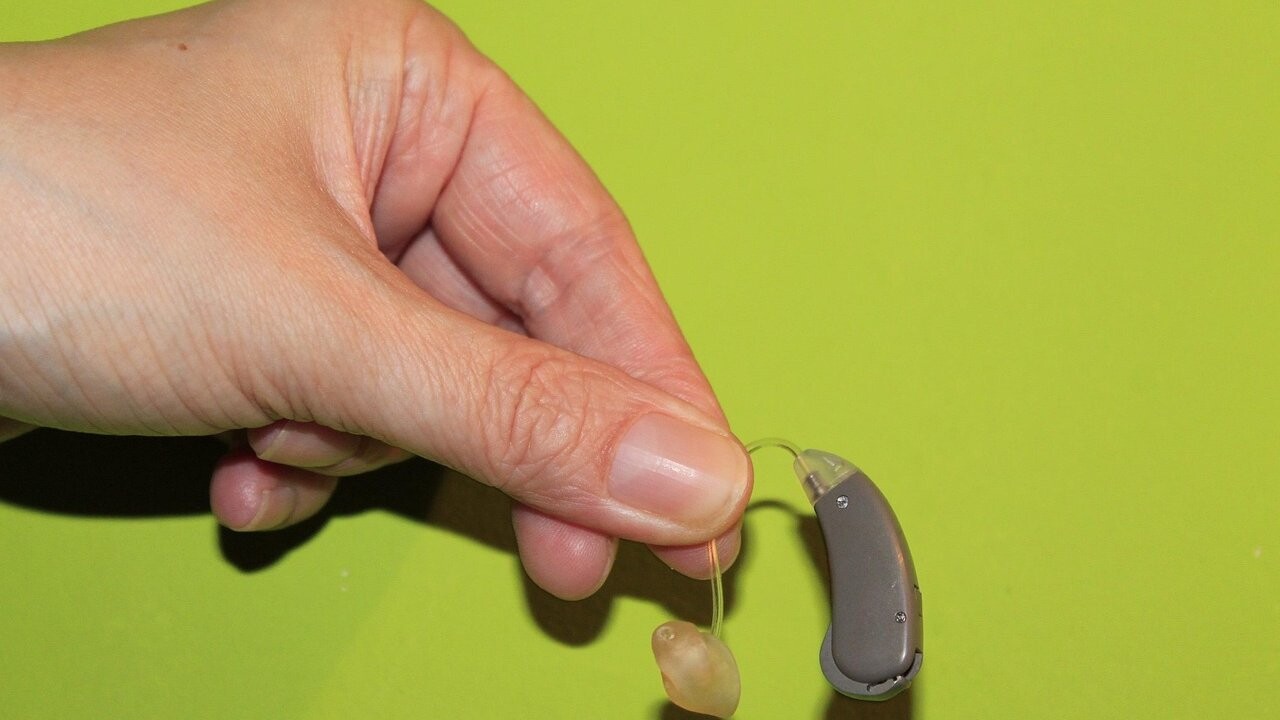
- Check Your Hearing. For people who also have hearing loss, hearing aids are a main treatment option. By amplifying outside sounds, they can make tinnitus less noticeable.
- Address The Cause. When wax, a medicine, or a blood-vessel condition is involved, a clinician may be able to treat the underlying problem or adjust the care plan.
When Should You See A Doctor?
Make an appointment if the tinnitus is regular, constant, getting worse, or interfering with sleep or concentration. A primary care clinician can check for wax or infection-related fluid and review your medical history and medicines. An audiologist can provide a full hearing evaluation.
Some patterns need faster attention:
- Only One Ear. See a licensed physician promptly if you have tinnitus in only one ear or notice a difference in how well you can hear in each ear.
- A Pulsing Sound. Seek urgent medical advice if the sound beats in time with your pulse. Pulsing tinnitus can be related to blood flow and should be evaluated.
- Sudden Hearing Loss. Get immediate medical attention if tinnitus occurs with sudden hearing loss, facial weakness, or a spinning sensation called vertigo. Tinnitus following a head injury also needs immediate attention.
Knowing your usual pattern can make a change easier to recognize. Have you noticed that your tinnitus is clearer in quiet rooms or has changed as you have grown older?
This article is for general information and isn’t a substitute for advice from your doctor.
You might also want to read: Why Is It Harder to Hear High Voices as You Get Older?
Follow The HyperHive on MSN for more stories like this.
Sources:



