
Why do your knees crack when you stand up, and why do they ache more than they used to?
The sounds and soreness may have different causes. A painless click often comes from normal movement inside the joint, while a recurring ache may point to osteoarthritis or another knee problem.
Here is what may be happening inside your knees, what can make movement more comfortable, and which changes deserve a call to your doctor.
What Makes Your Knees Crack?
Doctors call popping, crunching, and grating joint sounds crepitus. The noise can be startling, but it does not automatically mean something is damaged.
Air bubbles in the fluid inside the joint are one common source. Ligaments or tendons can also slide or snap as the knee bends, including when you stand up.
Sound without pain or other symptoms is usually reassuring. Rheumatologist Dr. Leonard Calabrese says “noisy joints are harmless” when they are not accompanied by pain.
Knee arthritis can also cause creaking, clicking, grinding, or snapping sounds. Because ordinary movement and arthritis can both produce noise, the sound alone does not identify the cause.

Why Do Your Knees Ache More With Age?
Osteoarthritis becomes more common with age, and the knees are among the joints it often affects. Unlike a painless pop, it can bring pain, stiffness, and swelling.
The condition develops as cartilage and other tissues in the joint gradually change and break down. It is often described as ordinary wear, but the National Institute of Arthritis and Musculoskeletal and Skin Diseases says the breakdown does not happen because of “simple wear and tear.”
You may notice pain while using the joint, stiffness after sitting or resting, or swelling after a lot of activity. The knee may also feel loose or unstable.
Not every aching knee has osteoarthritis. Injuries, mechanical problems, infections, and other forms of arthritis can cause knee pain. If the ache continues or interferes with daily activities, discuss it with a health professional.
How Do Muscles and Weight Affect Your Knees?
Your knees do not work alone. The quadriceps at the front of the thigh help stabilize the kneecap, while strong muscles around the joint help protect it.
When those muscles weaken, they provide less support and may place more stress on the knee. Joint pain can also discourage activity, which may contribute to further muscle weakness.
Because the knees bear weight, managing weight can reduce stress on them. For someone with overweight or obesity, losing weight may also ease osteoarthritis pain and improve mobility.
Age is only one part of the picture. Previous joint injuries or surgery, repetitive joint use, joints that did not form correctly, and a family history of osteoarthritis can also raise the risk.
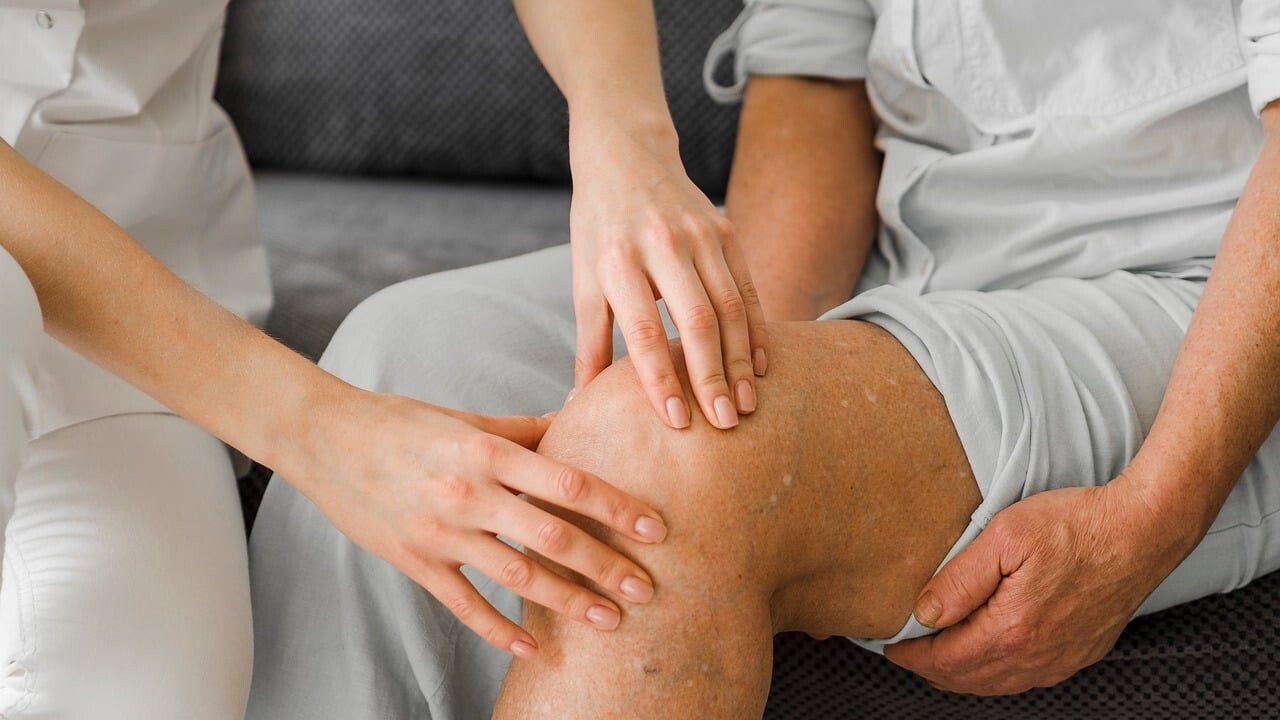
What Can Help an Aching Knee?
You do not need to push a sore knee through a demanding workout. A gradual, suitable routine can help you stay active and maintain strength.
- Move gently. Low-impact activities can include walking, swimming, cycling, tai chi, and water aerobics. Start slowly, and ask a health professional which activities suit your health and balance.
- Keep muscles working. Appropriate exercise can reduce osteoarthritis pain and stiffness while improving flexibility, strength, and endurance. A doctor or physical therapist can help you choose a safe, well-rounded routine.
- Try heat or ice. Heat and ice may help ease osteoarthritis symptoms.
- Address extra weight. If weight loss is appropriate for you, it may reduce stress on your knees and help improve pain and mobility.
If an activity makes the pain noticeably worse, stop and ask a health professional how to adjust it.
When Should You Call a Doctor?
Knee noise becomes more concerning when it comes with pain or swelling. Sports medicine specialist Dr. Wesley Baker warns about crepitus “coupled with consistent pain or swelling.”
- Persistent pain or swelling. Arrange an evaluation when cracking repeatedly comes with soreness or swelling.
- Loss of support. Call your doctor if the knee cannot bear weight or feels unstable or as though it may give out.
- Fever and inflammation. Call your doctor if you have a fever along with redness, pain, and swelling in the knee.
- A sudden or severe change. Seek care for marked swelling, severe knee pain associated with an injury, or an obvious deformity of the leg or knee.
- Limited movement. Call your doctor if you cannot fully bend or straighten the knee.
These signs do not prove that osteoarthritis is the cause. Getting the knee checked can help you understand what is wrong and what to do next.
A knee that makes noise without hurting may simply be noisy. Pain, swelling, weakness, or reduced movement deserves attention. Have your knee sounds or symptoms changed as you have gotten older?
This article is for general information and isn’t a substitute for advice from your doctor.
Follow The HyperHive on MSN for more stories like this.
Sources:



