
Have you ever wondered why an older parent keeps worn tools, empty containers, or stacks of old papers?
These objects may hold memories, reflect a lifetime of thrift, or still seem useful. Sorting them can also demand more emotional energy and decision-making than families realize.
Understanding those feelings can help families distinguish ordinary attachment from a serious problem and offer support without starting a fight.
Why Can Ordinary Objects Feel So Important?
A chipped bowl or unused toolbox may look replaceable to you. To its owner, it may recall family dinners, a first home, or years spent providing for a household. Letting it go can feel less like clearing clutter and more like surrendering part of a personal history.
A research review on object attachment says life events can affect how people view possessions over time. Retirement, moving from a large home to a small apartment, or becoming a grandparent may change what familiar objects mean and which ones seem worth keeping.
Usefulness matters, too. Mayo Clinic says people with hoarding disorder may save items because they believe “you’ll need them at some point in the future.” Even without the disorder, discarding something functional can feel wasteful to someone accustomed to repairing and reusing belongings.

Did Depression-Era Lessons Play a Part?
Families sometimes connect saving habits to lessons learned during the Great Depression or wartime shortages: repair what breaks, reuse what you can, and keep anything that might help later. Those values can remain powerful long after circumstances change.
However, they do not prove that a generation is inclined to hoard. A peer-reviewed review of object attachment says, “Research has not proven this to be the case” when discussing whether major world events cause greater attachment to possessions.
A study of household disbandment in later life found strong reluctance to discard functional objects, even when people did not foresee using them. Thrift may help explain one person’s choices, but it is not a diagnosis.
Why Does Sorting Become So Stressful?
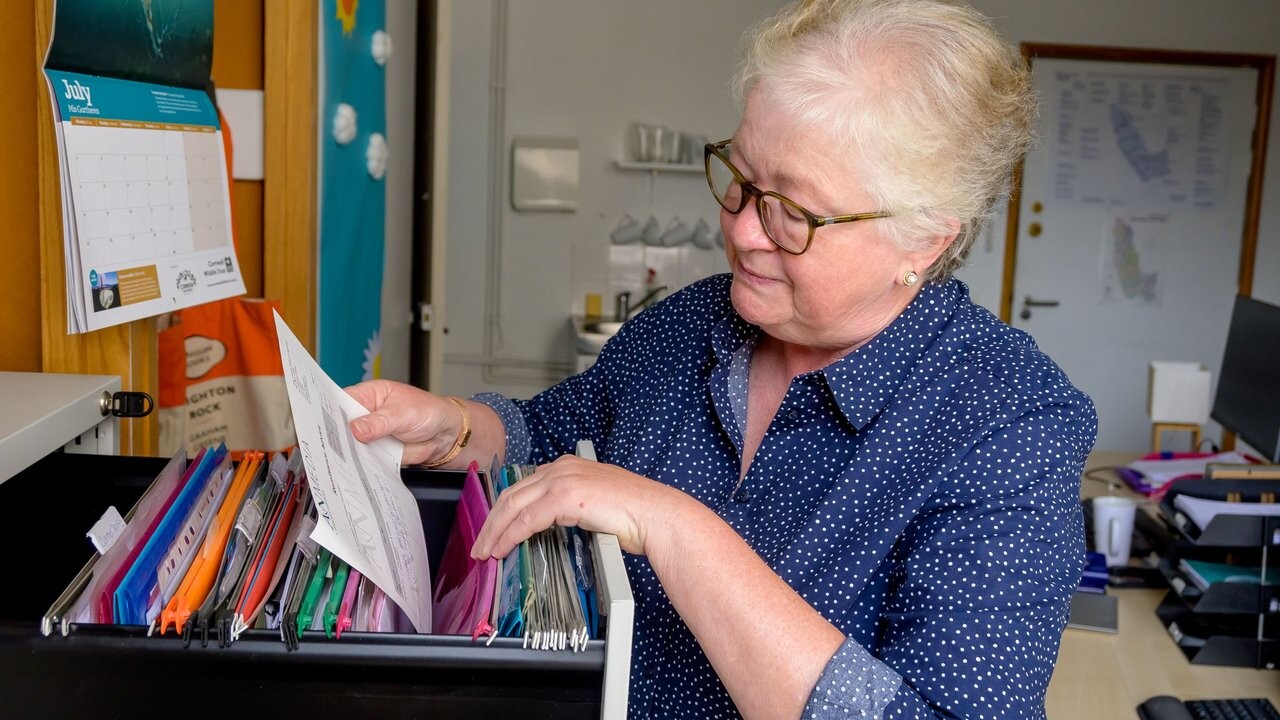
Sorting one drawer requires repeated choices: keep, donate, sell, recycle, or discard. Each object may raise questions about money, memories, responsibility, and possible future use. What appears to be a quick chore can become mentally and emotionally exhausting.
Indecisiveness, perfectionism, procrastination, and disorganization are commonly associated with hoarding disorder, according to the American Psychiatric Association. These difficulties can make a small pile feel overwhelming and turn each choice into a high-stakes decision.
When Does Clutter Become Hoarding Disorder?
A crowded closet alone does not establish hoarding disorder. The condition involves persistent difficulty parting with possessions, clutter that compromises the intended use of living areas, and major distress or problems in important areas of life.
The American Psychiatric Association lists “Persistent difficulty discarding or parting with possessions, regardless of their actual value.” Collectors are different: they typically seek specific items carefully, organize them, and display their collections.
- Rooms Lose Their Purpose. A bed, kitchen counter, or other living area can no longer be used as intended.
- Safety Is Affected. Clutter can create tripping and fire hazards. It can also increase an older adult’s risk of falling.
- Daily Life Is Disrupted. Hoarding disorder can contribute to family strain, isolation, and an inability to perform tasks such as cooking or bathing.
If clutter has made the home unsafe or the signs fit hoarding disorder, encourage the person to speak with a health care or mental health provider experienced in diagnosing and treating the condition.
How Can Families Help Without Fighting?
A surprise cleanout can damage trust. The International OCD Foundation warns that unwelcomed cleanouts cause intense distress and rarely work over the long term.
Begin with curiosity and permission. Ask what an object means before discussing what should happen to it. As the foundation puts it, “Respecting the hoarding loved one’s attachments to possessions is critical to being able to hold such discussions.”
- Start Very Small. Try one drawer or one clear section of a table, then stop before the task becomes exhausting.
- Let Them Decide. Ask what they want to keep, donate, or pass along instead of taking control of their belongings.
- Focus on Safety. Clear a walking path or cooking area before worrying about making the entire home tidy.
- Preserve the Story. Photograph a meaningful object or record its history if the owner is ready to release it.
- Consider Death Cleaning. Swedish death cleaning means simplifying belongings during your lifetime so loved ones have less to manage later.
Mayo Clinic recommends taking small, consistent steps and addressing one area at a time with professional help. It identifies cognitive behavioral therapy as the main treatment for hoarding disorder. As part of therapy, people may learn to organize possessions, decide what to release, and improve decision-making and coping skills.
Patience, respect, and one manageable space can accomplish more than an angry cleanout. Which belongings in your family carry a story that would be hardest to release?
This article is for general information and isn’t a substitute for advice from your doctor.
Follow The HyperHive on MSN for more stories like this.
Sources:



