
Have you noticed that earwax seems harder to manage as you get older?
With age, earwax-producing glands change, and the wax can become drier. The shape of the ear canal, ear-canal hair, and hearing aids may also contribute to buildup.
Here is why earwax collects, how cotton swabs can make matters worse, and what to do when you suspect a blockage.
When Does Normal Earwax Become a Problem?
Earwax is a normal part of the ear. Finding a little near the opening does not mean that it needs to be removed.
The American Academy of Otolaryngology–Head and Neck Surgery says wax that is not causing symptoms or blocking the canal “should be left alone.” Avoiding unnecessary cleaning also reduces the temptation to insert objects into the ear.
Doctors call it an impaction when accumulated wax causes symptoms or prevents a needed examination of the ear canal. That distinction matters: visible wax may be normal, while a blockage that affects how you feel or prevents an examination may require professional attention.

Why Does Wax Build Up With Age?
The wax itself changes as you get older. A peer-reviewed clinical review explains that earwax-producing glands gradually shrink and become fewer, “resulting in drier cerumen.” These age-related changes help explain why earwax may look or feel different over time.
Other physical factors may contribute. The NHS lists narrow or damaged ear canals and having lots of hair in the canals among the possible reasons for earwax buildup.
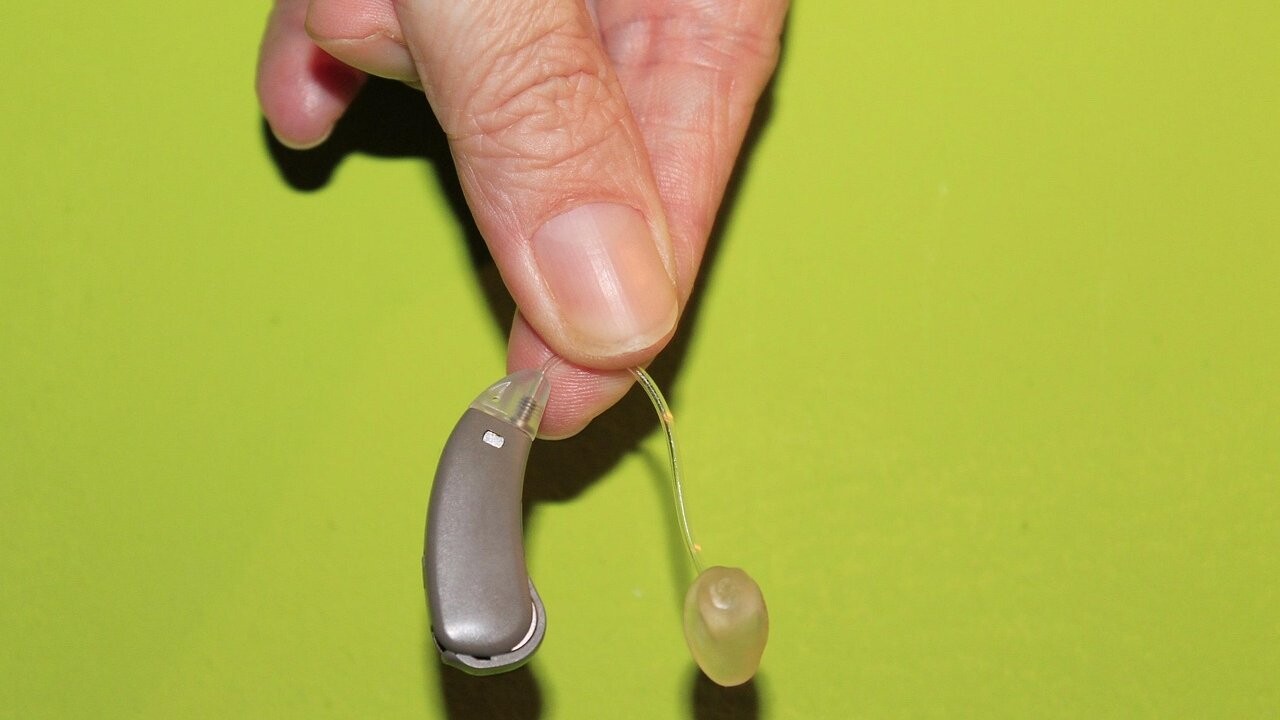
Hearing aids can add another obstacle. The Rotherham NHS Foundation Trust explains that hearing-aid molds can interfere with the ear’s normal shedding of dead skin and wax, allowing material to collect in the canal. If you wear hearing aids, pay attention to changes in comfort, sound, and wax buildup, and ask a healthcare professional about routine ear checks.
Why Do Cotton Swabs Make It Worse?
A cotton swab may look like the right tool, but it usually moves wax in the wrong direction. Mayo Clinic warns about trying to remove wax with objects such as cotton swabs: “This usually pushes wax deeper into the ear, rather than removing it.”
There is no need to clean deep inside the ear canal as part of a normal hygiene routine. Leave the canal alone, and gently wipe only the outside of the ear. Do not insert swabs, pins, or other objects, even if the ear feels clogged. If the sensation continues, arrange an examination instead of repeatedly trying to clear it yourself.
What Is the Safest Way to Remove Earwax?
Start gently, and do not dig into the canal. If you are unsure whether earwax is causing the problem, ask a healthcare professional to examine the ear before attempting treatment.
- Try A Softener. MedlinePlus lists commercial ear drops, glycerin, and mineral oil among the options used to soften wax. Follow the product instructions, and ask a healthcare professional if you are uncertain.
- Protect The Eardrum. Do not use ear drops if you have a perforated eardrum. If you are unsure about the condition of your eardrum, seek professional advice first.
- Skip Ear Candles. The FDA says there is no validated scientific evidence that ear candles work for their intended purpose.
- Leave Instruments To Professionals. Clinical guidelines include softening agents, irrigation, and removal with instruments as treatment options. A healthcare professional can determine which approach is appropriate for your ear.
Mayo Clinic says the safest way to clear excess wax is to see a healthcare professional. This is a sensible next step when gentle care does not help, the problem keeps returning, or you are not certain that wax is responsible for the symptoms. Avoid continuing with repeated attempts that involve inserting objects into the canal.
When Should You See A Doctor?
Do not assume that every hearing change comes from earwax. Ear pain, dizziness, and hearing loss can occur with impacted wax, but an examination may be needed to identify the cause.
- Call About Symptoms. Contact a healthcare professional if you develop ear pain, dizziness, or hearing loss that may be related to impacted wax.
- Recheck Your Hearing. Make an appointment if hearing loss continues after the wax has been cleared.
- Act On Sudden Loss. Do not wait for ear drops if your hearing suddenly declines. The National Institute on Deafness and Other Communication Disorders calls sudden deafness “a medical emergency” and advises immediate medical attention.
If symptoms continue after an impaction has been resolved, the clinical guideline recommends evaluating the patient for another diagnosis. Persistent or unexplained symptoms deserve a fresh assessment rather than more earwax treatment.
Treat earwax as a normal part of the ear until it begins causing trouble, then choose gentle care and a proper examination over digging. Have you noticed earwax becoming harder to manage with age or after starting to use hearing aids?
This article is for general information and isn’t a substitute for advice from your doctor.
Follow The HyperHive on MSN for more stories like this.
Sources:
- American Academy of Otolaryngology–Head and Neck Surgery Foundation: Clinical Practice Guideline (Update): Earwax (Cerumen Impaction)
- Journal of Primary Care & Community Health: Cerumen Management: An Updated Clinical Review and Evidence-Based Approach for Primary Care Physicians
- MedlinePlus: Ear wax



