
Are you wondering what your blood sugar level should be after 65?
Turning 65 does not create a new definition of normal. But if you have diabetes, the safest target may depend on your health, medicines, and ability to manage daily care.
Here is how the American Diabetes Association and CDC numbers fit together, including fasting, after-meal, and A1C readings, plus the warning signs of low blood sugar.
What Is Normal Without Diabetes?
The CDC calls a fasting blood sugar of 99 mg/dL or below normal. In UK units, that is below about 5.6 mmol/L. The test is done after an overnight fast, which the ADA defines as no calories for at least eight hours.
A fasting result from 100 to 125 mg/dL (5.6 to 6.9 mmol/L) is in the prediabetes range. A result of 126 mg/dL (7.0 mmol/L) or higher meets the laboratory threshold for diabetes.
One test usually does not settle the diagnosis. Unless high blood sugar is unmistakable, the ADA requires two abnormal results, either from different tests or from the same test at different times.
A formal two-hour glucose tolerance test is not the same as checking your blood sugar after lunch at home. It uses a measured glucose drink. On that test, prediabetes begins at 140 mg/dL (7.8 mmol/L), while diabetes begins at 200 mg/dL (11.1 mmol/L).
What Are the Targets With Diabetes?
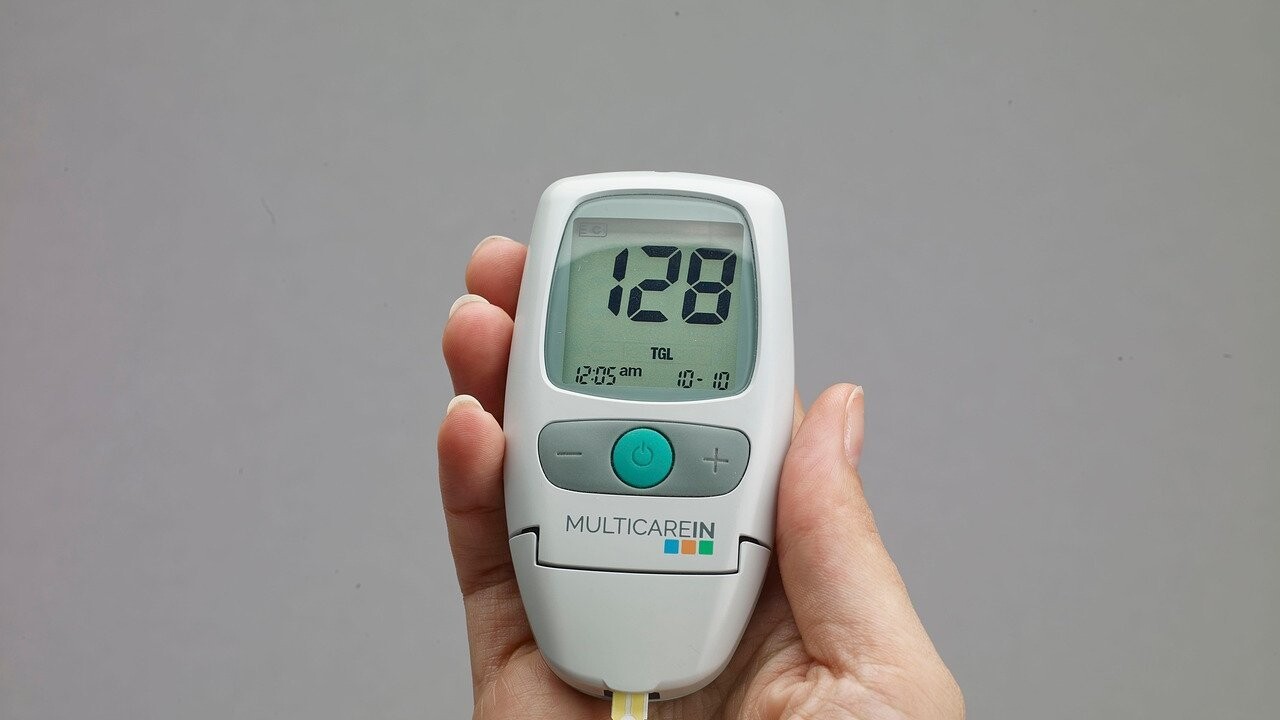
For many nonpregnant adults with diabetes, the ADA recommends 80 to 130 mg/dL (4.4 to 7.2 mmol/L) before a meal. The peak after-meal target is below 180 mg/dL (below 10.0 mmol/L), measured one to two hours after the meal begins.
These are treatment targets, not diagnostic cutoffs or one-size-fits-all rules. As the CDC puts it, “Your target range may be different based on your age, health status and diabetes management plan.”
Why Targets May Be Higher After 65
Age alone is not a reason to loosen blood sugar control. Goals for older adults should reflect their overall health and their risk of low blood sugar.
For a healthy older adult with few coexisting chronic illnesses and intact cognitive and physical function, the ADA lists a fasting or premeal goal of 80 to 130 mg/dL (4.4 to 7.2 mmol/L). The reasonable A1C goal is below 7.0% to 7.5% (53 to 58 mmol/mol).
For someone with multiple chronic illnesses, at least two impairments affecting instrumental activities of daily living, or mild to moderate cognitive impairment, the suggested fasting or premeal range is 90 to 150 mg/dL (5.0 to 8.3 mmol/L). The reasonable A1C goal is below 8.0% (64 mmol/mol).
For very complex or poor health, the ADA lists 100 to 180 mg/dL (5.6 to 10.0 mmol/L) before meals and advises doctors not to rely on A1C alone. “Clinicians should focus on avoiding hypoglycemia and symptomatic hyperglycemia.”
This more flexible approach is about safety, not giving up. The ADA says older adults face a greater risk of low blood sugar, especially when using insulin, sulfonylureas, or meglitinides. Irregular meals and worsening kidney function can raise that risk further.
What Your A1C Number Means
A home glucose reading captures one moment. A1C reflects average blood sugar over roughly three months and does not require fasting.
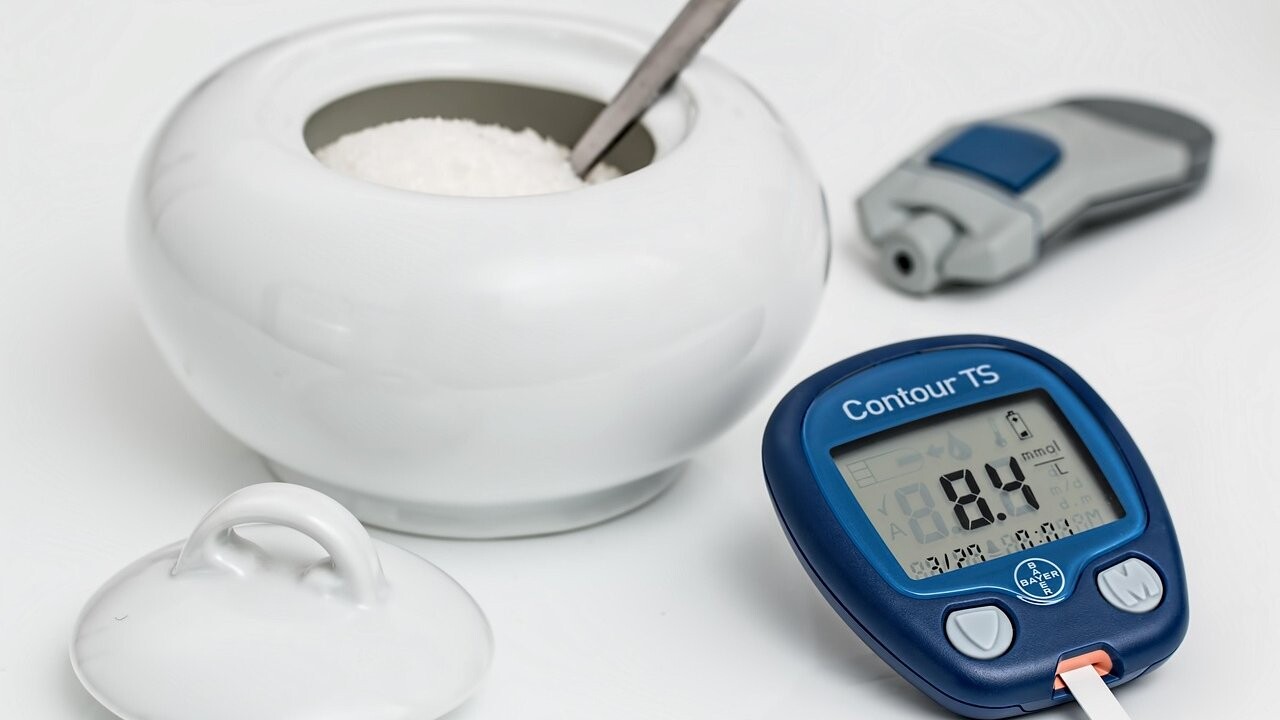
For diagnosis, the CDC calls an A1C below 5.7% normal, 5.7% to 6.4% prediabetes, and 6.5% or above diabetes. Once you have diabetes, the goal becomes personal rather than simply “normal,” particularly later in life.
A1C can give a misleading result in some situations. Severe anemia, kidney failure, liver disease, certain blood disorders, blood loss, a transfusion, and some medicines can affect its accuracy, according to the CDC. Tell the clinician interpreting the test if any of those apply.
When to Test and Watch for Lows
Testing schedules are personal. The CDC says common times are upon waking before food or drink, before a meal, two hours after a meal, and at bedtime. People who take insulin or frequently run low may need to check more often, including around physical activity.
“Your doctor will tell you when and how often to check your blood sugar levels,” the CDC says. People with diabetes should also have an A1C test at least twice a year.
Blood sugar below 70 mg/dL (3.9 mmol/L) is considered low. “Low blood sugar can be dangerous if left untreated,” and the CDC warns that “you may not have any symptoms when your blood sugar is low.”
- Notice a racing heart. A fast heartbeat or shaking can be a symptom of low blood sugar.
- Watch for sweating. Sweating, nervousness, or anxiety can signal low blood sugar.
- Do not dismiss hunger. Hunger or dizziness can also accompany a low.
- Take confusion seriously. Irritability, unusual behavior, or confusion may mean the person needs help checking and treating the low.
- Get urgent help. Trouble walking or seeing clearly, a seizure, or fainting can occur with severe low blood sugar.
The ADA classifies glucose below 54 mg/dL (3.0 mmol/L) as level 2 hypoglycemia. A person with severely low blood sugar may be unable to test or treat it alone. Family members and caregivers should know the signs, how to check the person’s blood sugar, and what to do.
The most useful target is the one you and your clinician have chosen for your health, medicines, and daily routine. Have your blood sugar goals changed as you have gotten older?
This article is for general information and isn’t a substitute for advice from your doctor.
You might also want to read: What Is a Normal Blood Pressure After 65?
Follow The HyperHive on MSN for more stories like this.
Sources:



