
Winter weather does not have to end a regular walking routine.
A winter walk can still be an option for many older adults when health, weather, and route conditions allow. Cold can affect the heart and breathing, while snow and ice can make falls more likely.
Before heading out, check the forecast, choose a clear route, dress in layers, and be willing to exercise indoors when conditions are poor.
How Does Cold Air Affect Your Heart and Lungs?
Cold weather makes the body work to retain heat. Cleveland Clinic cardiologist Dr. Leslie Cho explains, “The body’s first reaction is to try to keep warm. So blood vessels constrict to keep in the heat. The heart also beats faster, which can increase blood pressure. All of that can have an impact on the heart.”
Cleveland Clinic reports that the extra work required to stay warm may cause chest pain or even a heart attack in people with underlying heart disease. Anyone with a heart condition should discuss cold-weather exercise with a health care professional, especially before attempting strenuous activity.
Cold air can also affect breathing, particularly in people with asthma or chronic obstructive pulmonary disease. For people with COPD, cold air can trigger lung spasms. Pulmonologist Dr. Rachel Taliercio says, “You might be more breathless, or feel out of breath, you might cough or start to wheeze. You also may feel a bit of tightness in the chest,” and adds, “All of these can be signs that you should get indoors.”
Why Are Older Adults More Vulnerable to Hypothermia?
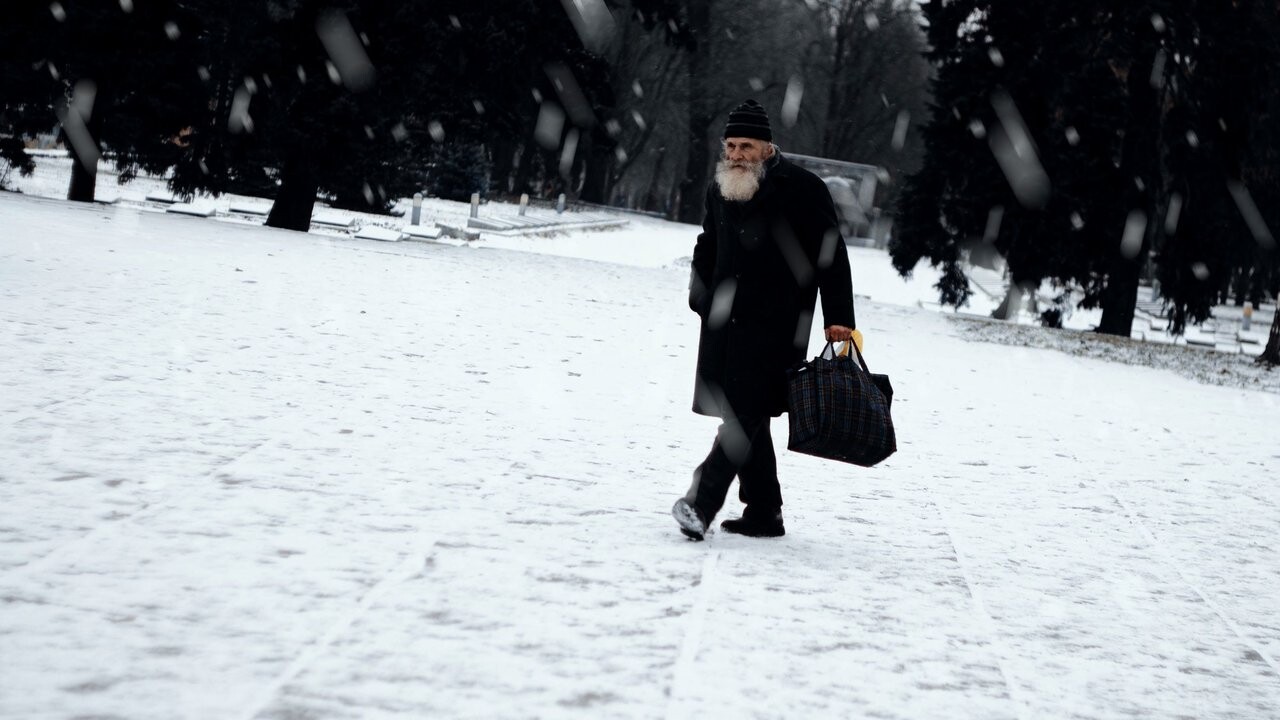
The National Institute on Aging says older adults have a higher chance of being affected by cold weather. Age-related changes can make it harder to notice when the body is becoming too cold. Certain prescription and over-the-counter medicines can affect body heat.
Hypothermia occurs when the body’s core temperature falls below 95°F. It affects the brain and can interfere with clear thinking, so someone experiencing it may not recognize what is happening or realize that help is needed. Watch for several warning signs:
- Shivering. Shivering or shaking can be an early symptom of hypothermia.
- Poor Coordination or Confusion. Lack of coordination, mental confusion, and slowed reactions are warning signs.
- Slurred Speech. Speech may become slow or slurred.
- Sleepiness. Unusual sleepiness can also signal hypothermia.
Hypothermia is a medical emergency. If someone shows warning signs, contact emergency services immediately, move the person to a warmer place, and wrap them in dry blankets, towels, or coats while help is coming.
How Should You Dress for a Winter Walk?
Several loose layers help trap warm air around the body. Choose pieces that can be removed if you become too warm, and change out of damp clothing promptly after returning indoors.
The American Heart Association advises, “Resist your instinct to start layering with cotton.” Wet cotton traps moisture and can leave you feeling colder and heavier. Build your outfit with practical layers instead:
- A Moisture-Wicking Base. Start with clothing designed to pull moisture away from your skin.
- An Insulating Middle Layer. Add fleece to help retain warmth.
- A Waterproof Outer Layer. Finish with a thin waterproof layer, especially when rain or snow is possible.
- Warm Accessories. Wear a hat, scarf, and gloves or mittens to limit heat loss through your head and hands.
Let someone know where you plan to walk, and carry a fully charged mobile phone. A shorter outing is the better choice on windy, cold, or damp days.
How Can You Prevent Dangerous Slips and Falls?
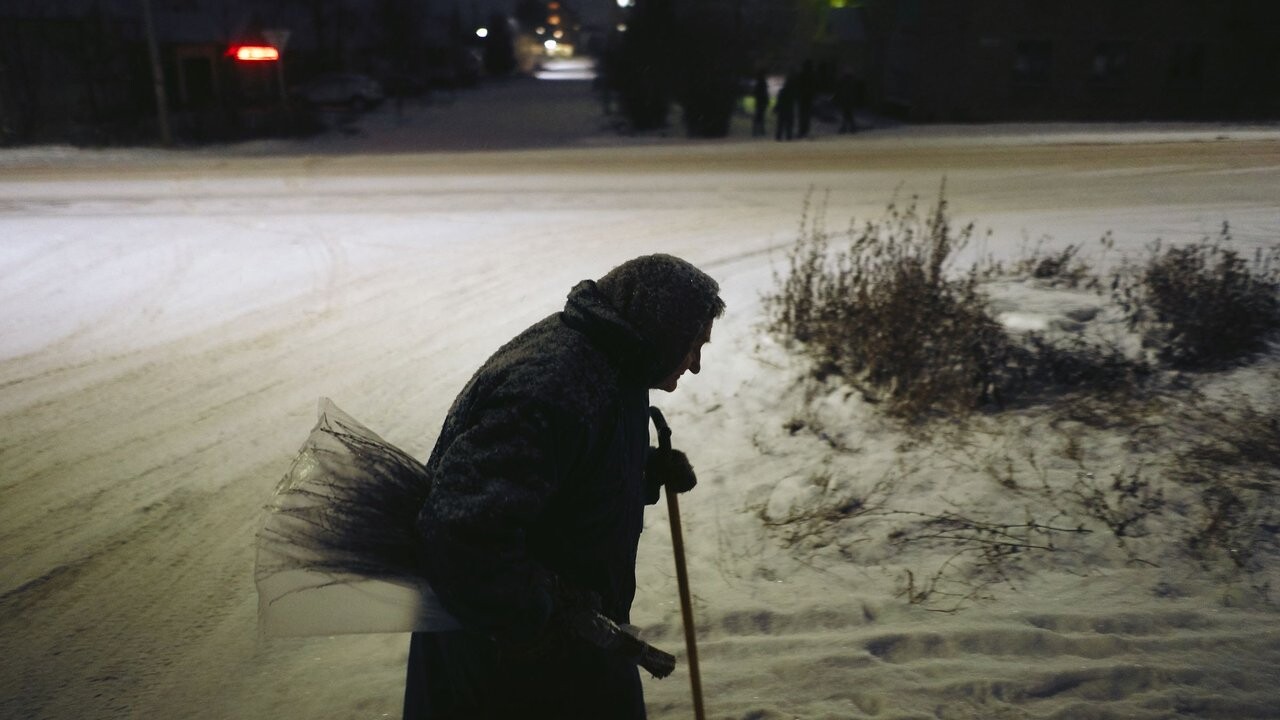
Snow and ice can make winter walking surfaces hazardous. Check the entire route before setting out, and choose a different path or stay indoors if sidewalks have not been cleared.
The National Institute on Aging advises, “Check sidewalks before using them. Wear nonskid, rubber-soled, low-heeled shoes to help prevent slipping.” Keep outdoor walkways clear with an ice-melting product or sand, and use railings on icy stairs and paths.
Take slow, unhurried steps, keep your hands available for balance, and avoid carrying bulky items. Turn back if the footing feels uncertain rather than trying to complete a planned distance.
When Is It Smarter to Walk Indoors?
A daily routine is not worth forcing when the weather makes an outdoor walk uncomfortable or difficult to navigate. The National Institute on Aging advises, “If it’s too windy, cold, icy, or wet outside, consider staying indoors and using an online workout video or your own routine.”
Indoor options can be simple. Walk at a shopping mall, follow a home routine, dance, climb stairs, or join a class at a local gym or community center. Choose an activity that suits your mobility, surroundings, and usual level of effort.
Winter walking can remain enjoyable with a clear route, suitable clothing, and a flexible plan for bad weather. What helps you decide whether to walk outdoors or move your routine inside?
This article is for general information and isn’t a substitute for advice from your doctor.
You might also want to read: Is It Safe to Shovel Snow After 65?
Follow The HyperHive on MSN for more stories like this.
Sources:



