Have you wondered whether you should still shovel your driveway after 65?
For many older adults, the safest answer may be no. The National Institute on Aging advises, “Avoid shoveling snow yourself when possible.”
Age alone does not determine whether shoveling is safe. Your heart health, your clinician’s advice, and the conditions outside should guide the decision.
Why Does Shoveling Strain the Heart?
Snow shoveling is strenuous exercise, especially when you lift and throw repeated loads. Research cited by the American Heart Association indicates that shoveling can increase the heart’s oxygen needs and cardiovascular strain in cold conditions. Cold exposure can also raise blood pressure and heart rate.
A large Quebec study illustrates the concern. Compared with no snowfall, 20 centimeters of snow was associated with 16% higher odds of a heart attack hospital admission the following day among men. The researchers measured snowfall quantity and duration, not whether each patient had shoveled, so the study shows an association rather than proving that shoveling caused the events.
Who Should Avoid Shoveling Snow?
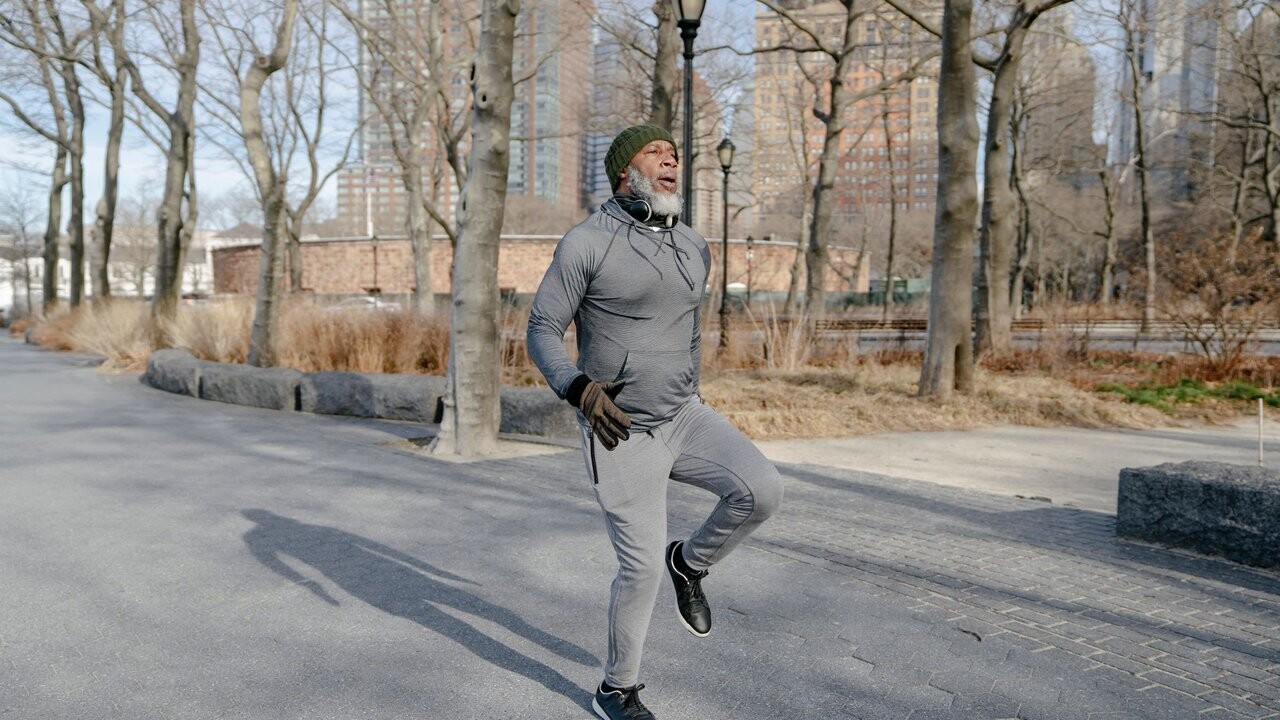
If you have heart disease or high blood pressure, ask your doctor whether shoveling is safe for you. The CDC specifically advises people with either condition to follow their doctor’s guidance about shoveling and other hard work in cold weather.
American Heart Association expert Barry Franklin says people who have had bypass surgery or coronary angioplasty “simply should not be shoveling snow.” Arrange for someone else to clear the snow if that advice applies to you.
Even without a diagnosed cardiovascular condition, do not treat turning 65 as proof that you can or cannot shovel. Discuss the job with your clinician if you have health concerns, and avoid taking on the work when the ground is icy or your footing is uncertain.
What About Falls and Back Injuries?
Your heart is not the only reason to be cautious. A national study of snow-shovel injuries and medical emergencies treated in U.S. emergency departments found that lower-back injuries accounted for 34.3% of cases. Slips and falls caused another 20% of the incidents.
Ice makes walking extremely dangerous, according to the CDC. For snowy or icy conditions, the National Institute on Aging recommends nonskid, rubber-soled, low-heeled footwear. Good shoes cannot remove every hazard, so let someone else take over if you cannot maintain secure footing.
How Can You Shovel More Safely?
If your clinician has no concerns and you decide to shovel, approach the job as strenuous exercise. Prepare before going outside, use a controlled pace, and pay attention to both the snow’s weight and the surface under your feet.
- Warm Up First. Warm up your muscles indoors with gentle movement before beginning work in the cold.
- Pace Yourself. Work steadily, take breaks, and do not rush to clear everything in one stretch.
- Push the Snow. Slide snow aside when possible instead of repeatedly lifting and throwing it.
- Lift Carefully. Bend your legs, keep your feet about hip-width apart, and hold the shovel close to your body.
- Dress for the Conditions. Wear loose layers, a waterproof coat or jacket, and nonskid footwear suited to snowy or icy ground.
If the snow is too heavy to push, the surface feels slippery, or you cannot work at a comfortable pace, stop and arrange for help. Finishing the driveway is not worth an injury or medical emergency.
What Are the Warning Signs of a Heart Attack?
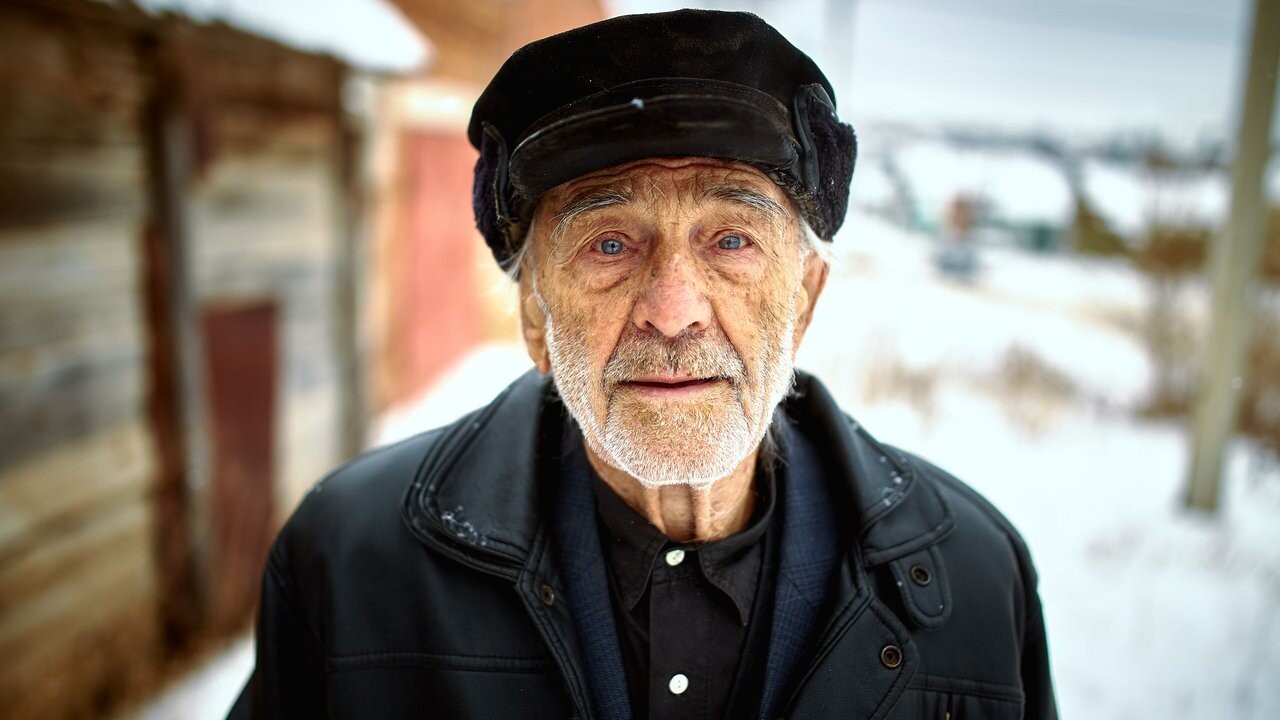
Know the warning signs before you begin. Stop shoveling if you develop possible heart attack symptoms, move to a safe place, and get emergency help.
- Chest Discomfort. Watch for chest pain or discomfort rather than assuming you can work through it.
- Trouble Breathing. Shortness of breath is another major warning sign of a heart attack.
- Upper-Body Pain. Pain or discomfort may affect the jaw, neck, back, arm, or shoulder.
- Other Warning Signs. Sweating heavily for no clear reason, unusual tiredness, nausea, or vomiting can also occur.
Do not remain outside waiting to see whether the symptoms pass. The CDC says to “call 9-1-1 immediately” if you notice heart attack symptoms. Follow the emergency dispatcher’s instructions while you wait for help.
What Are the Safer Alternatives?
Plan for snow removal before a storm arrives. Ask a relative or neighbor, hire a snow-removal service, or check whether your municipality, local aging agency, or community organization can connect you with assistance.
A snow blower may eliminate some lifting, but it does not remove the need to walk on wintry ground or work in cold weather. If heart health or secure footing is a concern, having someone else handle the entire job is the safer choice.
A cleared driveway is useful, but it is not worth risking your heart, back, or balance. Asking for help is often the safest way to handle the next snowfall.
This article is for general information and isn’t a substitute for advice from your doctor.
Sources:
- National Institute on Aging: Cold Weather Safety for Older Adults
- American Heart Association: Nonoptimal Temperature and Cardiovascular Health
- CMAJ: Association Between Quantity and Duration of Snowfall and Risk of Myocardial Infarction
- American Heart Association: Snow Shoveling, Cold Temperatures Combine for Perfect Storm of Heart Health Hazards
- CDC: Safety Guidelines During and After a Winter Storm
- PubMed: Snow Shovel-Related Injuries and Medical Emergencies Treated in US Emergency Departments
- National Institute on Aging: Safety Tips for Exercising Outdoors for Older Adults
- Mayo Clinic: Snow, Ice and Shovels
- American Heart Association: Snow Shoveling Health Hazards
- CDC: About Heart Attack Symptoms, Risk, and Recovery
- National Heart, Lung, and Blood Institute: Heart Attack Symptoms
You might also want to read: What Is a Normal Blood Pressure After 65? What the Latest Heart Guidelines Say